
What it is
A business website is the place where a visitor can understand what you do, decide whether it fits and find a useful way to contact you.
04 / A useful place to land
Strategy, design, and development that explain the business and make the next step clear.
In plain language
What it is
A business website is the place where a visitor can understand what you do, decide whether it fits and find a useful way to contact you.
The problem
People land on your site but still cannot tell what you offer or how to ask for it.
Public website reference · Marathon
Marathon’s product pages let a visitor inspect finishing equipment, configuration choices and planning information.
Where it helps
The site is confusing, hard to use on a phone or missing answers customers need before contacting you.
A visitor should quickly know what the business does, who it helps, and how to start. Information architecture and copy make that first decision possible.
Responsive work is more than shrinking a desktop page. Navigation, readable content, diagrams, controls, and contact paths need a deliberate phone flow.
Labeled real work, clear project pages, and honest source context help visitors judge fit.
What you get
Deliverables are agreed against your workflow, technical environment and goals.
Clarify the service hierarchy, page intent, navigation, evidence, calls to action, and content responsibilities. Preserve valuable URLs through an explicit migration decision.
Develop a coherent system of type, color, spacing, real media, and useful interactions. Test actual reading and controls at phone, tablet, and intermediate desktop widths.
Build semantic content, keyboard paths, focus behavior, labels, error states, and alternatives to motion or dragging. Accessibility is validated against the agreed scope rather than promised by a template.
Scope initial HTML, metadata, canonicals, redirects, sitemaps, image optimization, fonts, and loading behavior. Measured performance needs stated conditions and actual tests.
Decide how content is edited, who reviews it, where the site is hosted, and how changes are released and rolled back. Hosting, maintenance, and support follow the written arrangement.
Examples
Industrial, healthcare, finance, coaching and construction sites.
Case studies
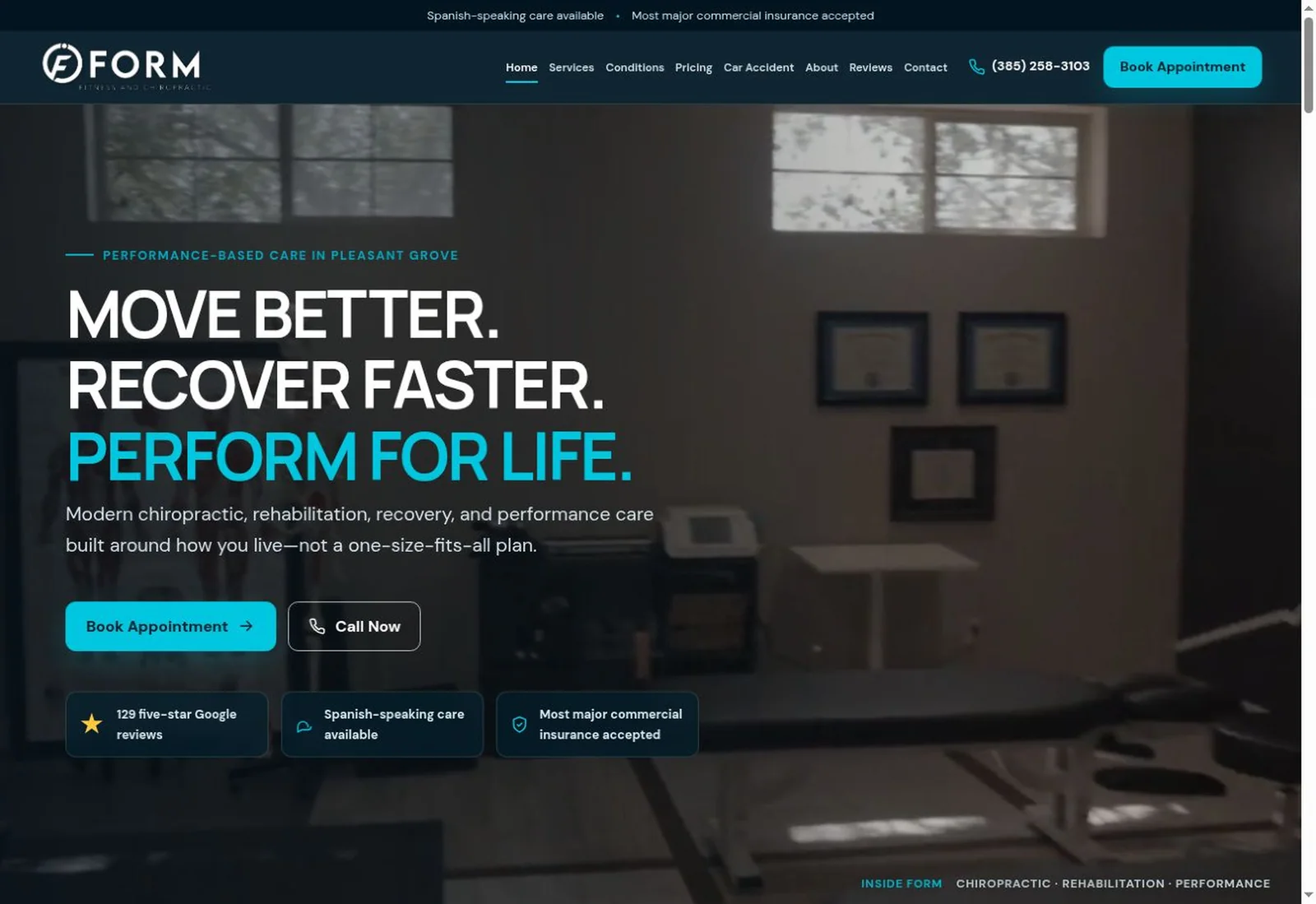 A local practice’s services, visit planning, and contact paths in a readable public experience.Read the case study
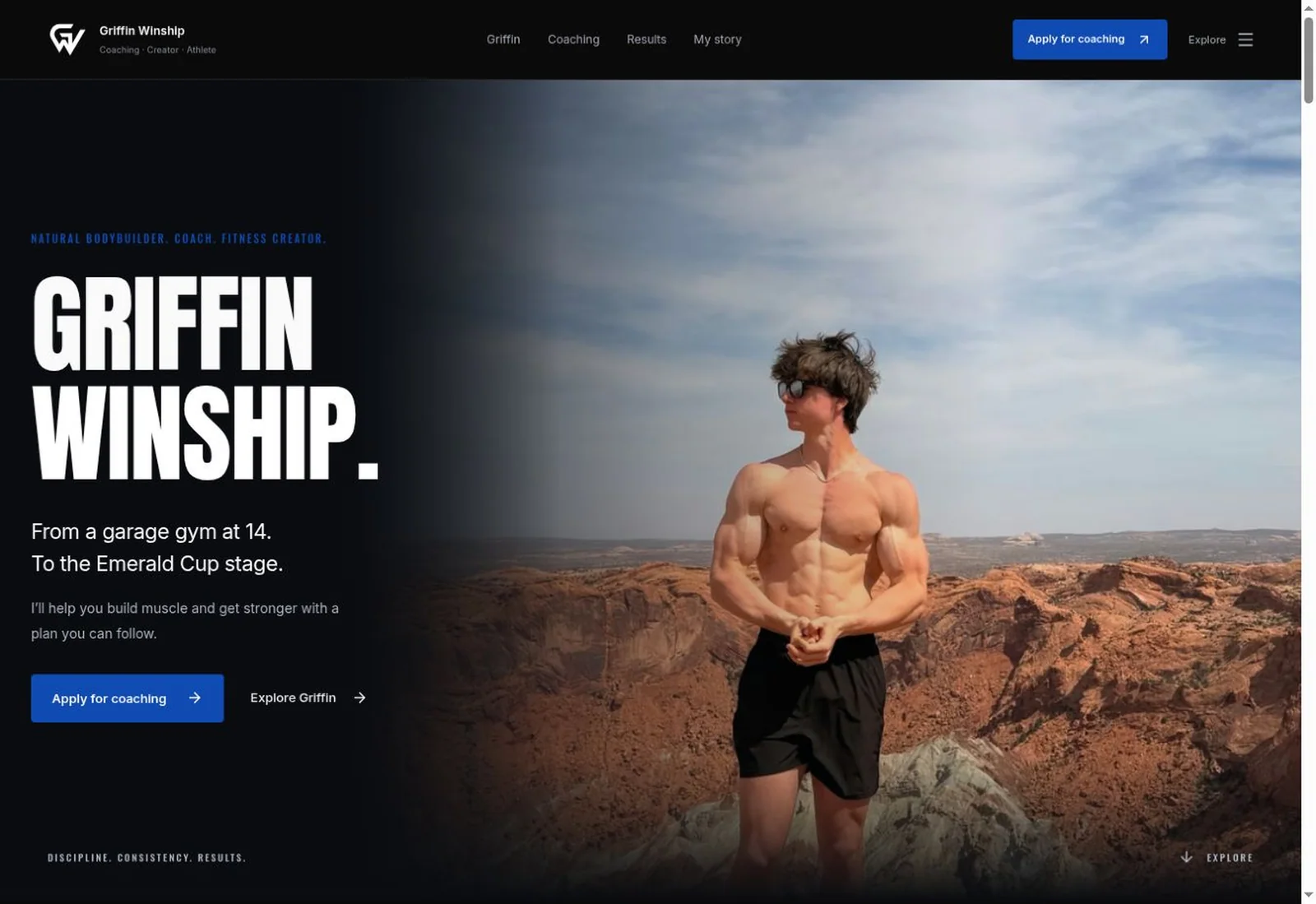 A personal brand with role selection, result filters, and readable source inspection.Read the case study
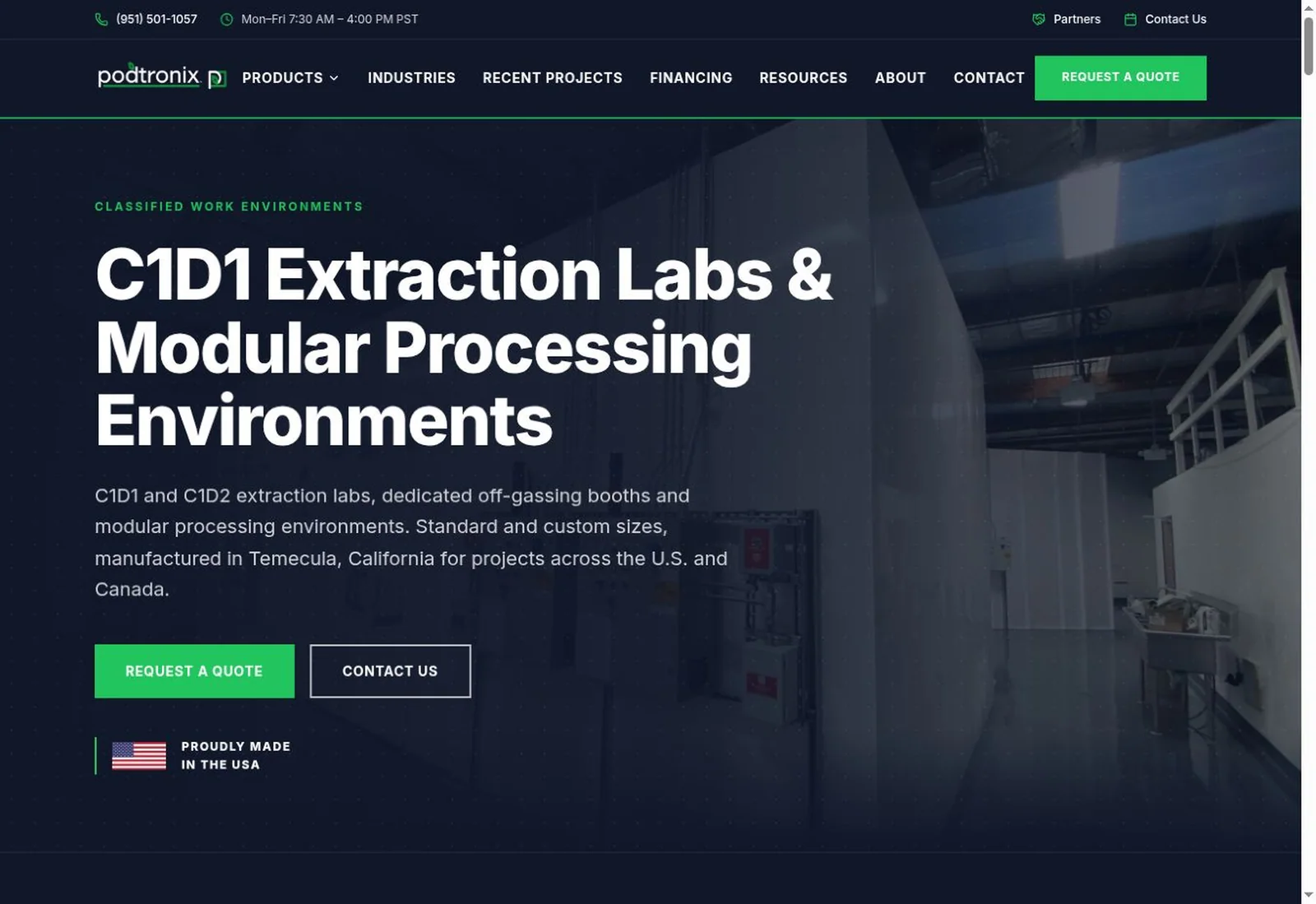 Product families and tangible facility work shown through captioned real project photography.Read the case study
How it works
Agree on the audience, offer, content, evidence, and next action.
Review responsive layouts and interface behavior using actual copy and approved media.
Test reading, interactions, accessibility, search foundations, and performance in defined conditions.
Review releases, redirects, rollback, documentation, and who owns ongoing content changes.
Detail
The portfolio includes public website references across industrial products, professional services, coaching, healthcare, and construction. Each capture identifies the site and what it shows.
A website can stand on its own. It can also connect to a scoped search program, inquiry handling, CRM, or measurement system when the business needs that handoff.
A free website requires a contractual commitment to three months of the six-month SEO plan or one month of the three-month SEO plan. Hosting is separate. The six-month SEO plan is $480 per week and the three-month plan is $960 per week; each full program totals $12,480. Website pages, design/revisions, ownership, migration, and hosting are confirmed in the written agreement.
Fit and boundaries
Good fit
Clear boundaries
What we need from you
Questions
Yes. Website-only work can be scoped through a conversation. No standalone price has been confirmed for this website.
No. A free website requires the qualifying contractual SEO commitment, and hosting is billed separately. Scope and hosting are confirmed in the written agreement.
Editing needs, permissions, training, and the choice between repository content or a CMS are agreed in the project scope.
No. A useful site can explain the business and support a clearer inquiry path. Search, customer fit, follow-up, and sales handling influence the wider outcome.
04 · works well with
Keep exploring
Let’s build what’s next
Bring us the bottleneck. We’ll talk through the work, the people, and what a useful next step could look like.