
What it is
Custom software is a tool built around a particular job in your business. It can connect information between tools or give people a clearer place to do the work.
02 / Tools shaped around the work
Custom applications and connected workflows for the way your business operates.
Free Workflow Mapping SessionNo cost, no obligation
In plain language
What it is
Custom software is a tool built around a particular job in your business. It can connect information between tools or give people a clearer place to do the work.
The problem
You copy the same information into several spreadsheets, or a task stops because nobody knows who should act.
Sample example · one inquiry, one record
A website inquiry is checked once, assigned to a person and shown in a work queue. If a connection fails, the team can see what needs attention.
Where it helps
A repeated task is costly or confusing, and existing tools do not handle the important parts of it.
Repeated entry often points to disconnected systems or an unclear source of truth. We map where information starts, who changes it, and which downstream work actually needs it.
An inquiry, approval, or task can stop between teams. A designed workflow makes the owner, next action, and exception path explicit.
Scattered spreadsheets and message threads make it difficult to understand what is current. An operational view should make its definitions and update rules clear.
What you get
Deliverables are agreed against your workflow, technical environment and goals.
Document users, tasks, record relationships, system ownership, and the information passed between tools. Identify normal and exception paths before drawing integration arrows.
Turn agreed requirements into a prototype and acceptance criteria. Decide what is custom, what a third-party tool handles, and which assumptions must be tested.
Scope internal queues, portals, reporting views, and workflow logic around an actual task. Connections depend on provider access, supported interfaces, and a justified business need.
Test permissions, input rules, duplicate handling, failures, retries, and recoverable state. A system needs a clear answer when a dependency is unavailable.
Plan approved data mapping, rollout, training, documentation, and ownership. Monitoring, backups, exports, maintenance, and later changes are explicit scope decisions.
Examples
Portals, CRMs and systems shaped around the work they run.
Case studies
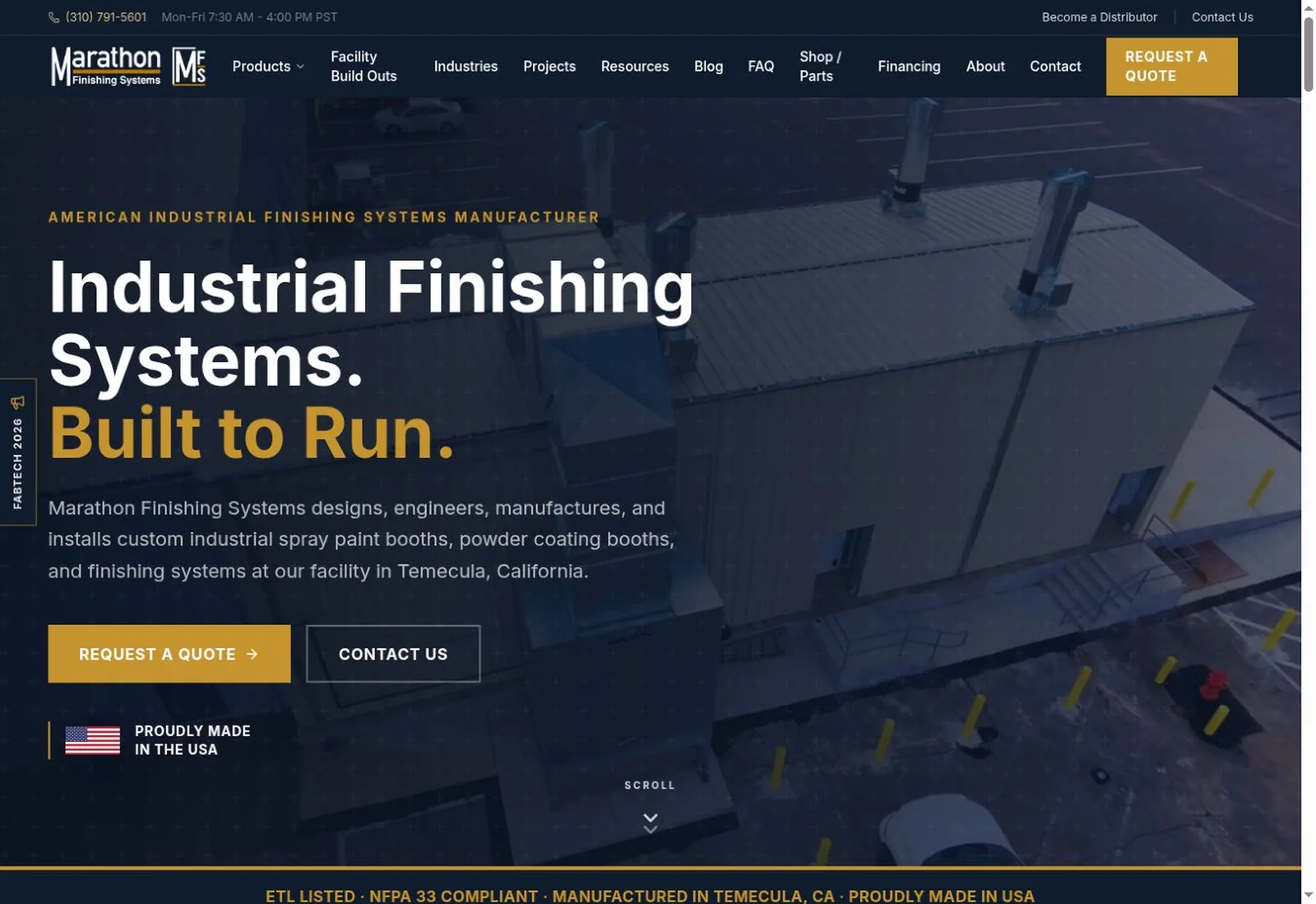 Technical product information and a separately documented sales-management workflow.Read the case study
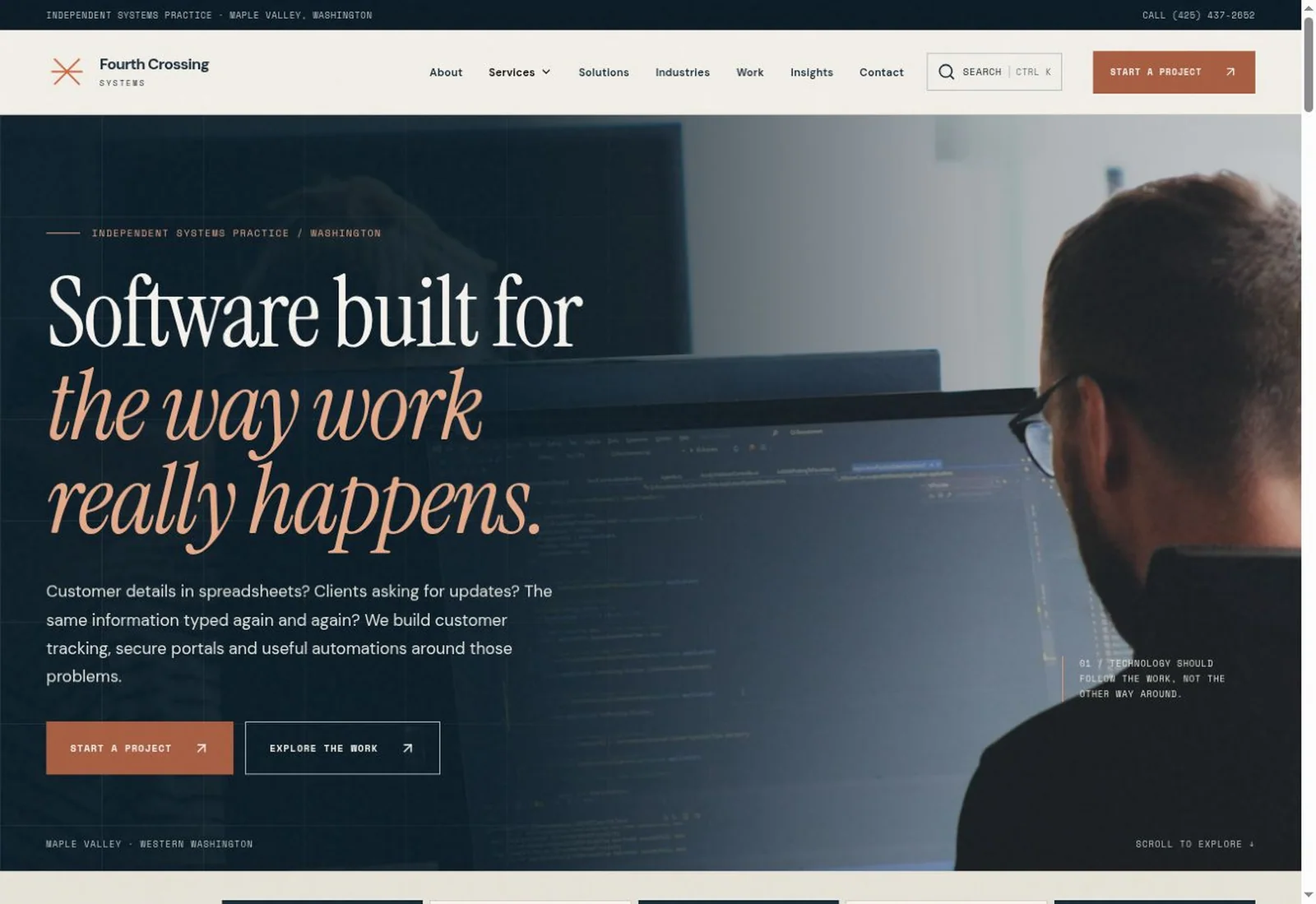 A software practice explained through connected records, handoffs, and exceptions.Read the case study
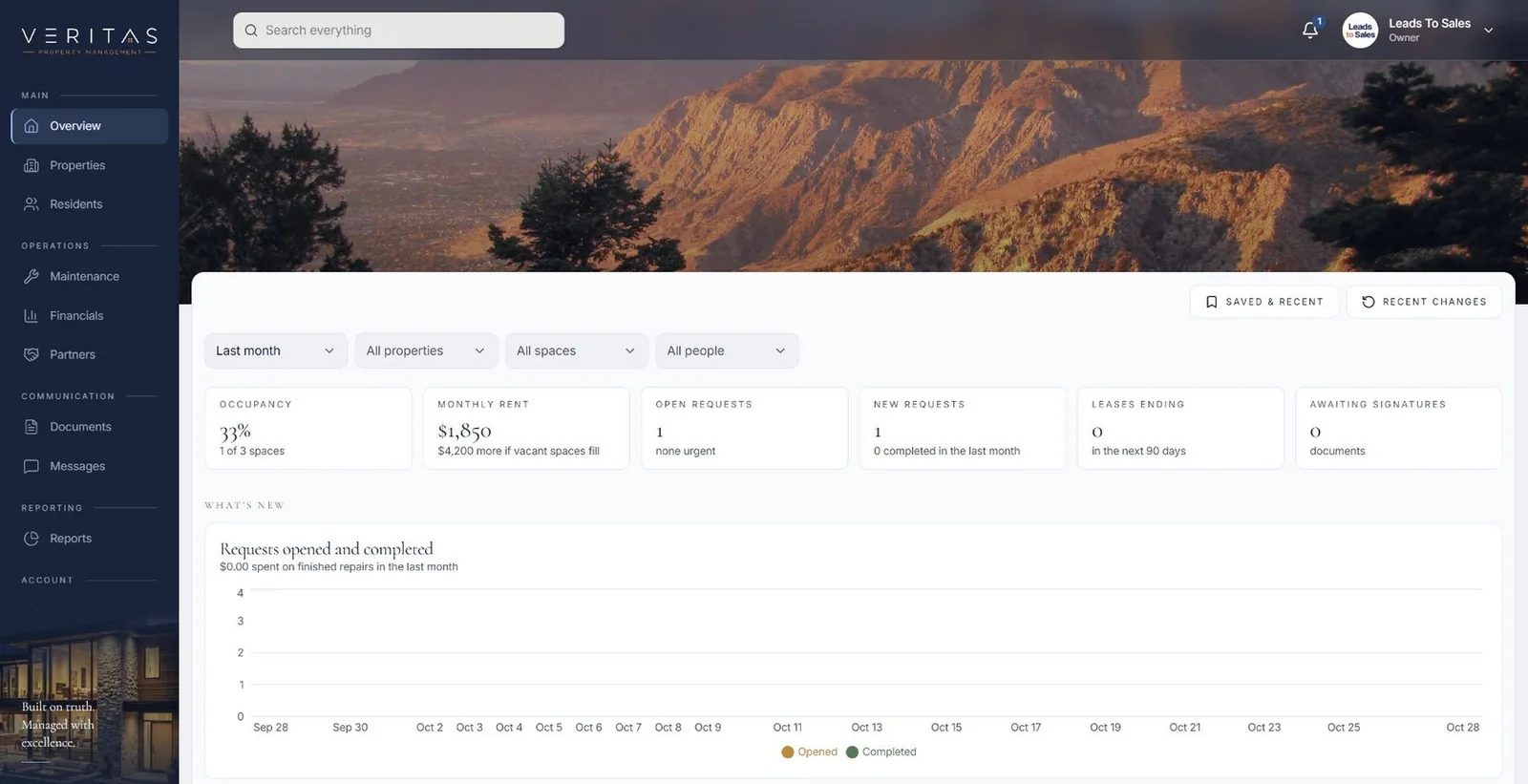 A property management portal for properties, spaces, residents, maintenance, inspections, documents and reports.Read the case study
How it works
Understand work, users, records, handoffs, and the failure modes that matter.
Agree on the system boundary and test the interface against real tasks with safe data.
Implement agreed logic and connections; review normal paths and exceptions against acceptance criteria.
Prepare documentation, migration/rollout, operational ownership, and a defined support arrangement.
Detail
A useful first conversation names the person, task, input, and outcome. For example: an inquiry enters a queue, is checked for completeness, receives permitted source context, and gains an owner and a next action.
Custom software sits within a wider business system. The scope identifies data ownership, third-party dependencies, user roles, access assumptions, support responsibilities, and what remains manual. Integration availability is established before it becomes a promise.
The Fourth Crossing reference explains a sales-management workflow separately from its public-site artifacts and retains client-reported outcome attribution.
Fit and boundaries
Good fit
Clear boundaries
What we need from you
Questions
The process starts by understanding what works. A project can improve one handoff, connect a supported system, or build a focused application. Replacing tools is a scoped decision.
Ownership, transfer, access, ongoing administration, maintenance, and support are written scope decisions. We discuss them before implementation rather than assume an unlimited arrangement.
We first verify the provider interface, permissions, data needs, and commercial constraints.
Through a custom scope based on the workflow, users, data, connections, migration, and operation. No fixed starting price has been confirmed for this site.
02 · works well with
Let’s build what’s next
Bring us the bottleneck. We’ll talk through the work, the people, and what a useful next step could look like.